Napa Valley is a captivating destination that has earned its place as one of the premier wine regions in the world. Nestled in Northern California, this picturesque valley is renowned for its stunning landscapes, rolling hills, and, most importantly, its exceptional wineries. With over 400 wineries dotting the landscape, Napa Valley offers a diverse array of experiences that cater to both seasoned wine connoisseurs and casual visitors alike. Whether you are seeking intimate tastings at family-owned vineyards or grand tours at iconic estates, the allure of Napa's wineries is undeniable.The wine culture in Napa Valley is rich and multifaceted, shaped by a long history of viticulture and a commitment to quality.
Each winery has its own unique story, often reflecting the passion and dedication of the winemakers behind them. From the moment you step into a winery, you are greeted with an atmosphere that celebrates not just the wine itself but also the artistry and science that goes into its production. This cultural tapestry is woven with traditions that have been passed down through generations, making every visit an opportunity to learn and appreciate the nuances of winemaking.Planning your visit to Napa's wineries can be an exciting yet daunting task. With so many options available, it’s essential to approach your trip with a clear plan in mind.
Understanding which wineries require reservations and which welcome walk-ins can significantly enhance your experience. Additionally, many wineries offer unique events such as food pairings, vineyard tours, and exclusive tastings that can elevate your visit from ordinary to extraordinary. As you embark on this journey through Napa Valley's wineries, prepare to indulge your senses and create lasting memories amidst the breathtaking scenery.
Understanding Napa's Wine Culture
Napa Valley's wine culture is a tapestry woven from rich history, innovative practices, and a deep appreciation for the land. The region's journey to becoming a premier wine destination began in the mid-19th century when European immigrants, particularly those from France and Italy, recognized the valley's potential for viticulture.They brought with them not only their winemaking techniques but also a passion for producing high-quality wines that could rival those of their homelands.By the 1970s, Napa Valley had firmly established itself on the global wine map, thanks in part to the famous Judgment of Paris wine tasting in 1976. During this event, Napa wines were pitted against some of the finest French wines, and to the surprise of many, Napa's wines emerged victorious. This pivotal moment not only boosted the reputation of Napa Valley but also ignited a surge of interest in wine tourism.Today, Napa Valley is home to over 400 wineries, each contributing to the region's unique character. The diversity of microclimates and soil types allows for a wide range of grape varieties to flourish, including Cabernet Sauvignon, Chardonnay, and Merlot. This variety is reflected in the wines produced here, which range from bold and robust reds to crisp and refreshing whites.The culture surrounding Napa's wineries is as varied as the wines themselves.
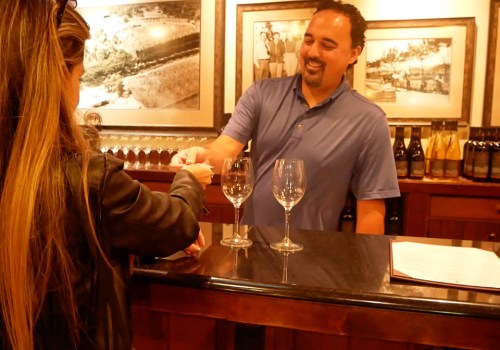
Many wineries emphasize sustainable practices, focusing on organic farming and environmentally friendly production methods. This commitment to sustainability not only enhances the quality of the wine but also preserves the natural beauty of the valley for future generations.Moreover, Napa's wineries are known for their hospitality and educational experiences. Visitors can engage in guided tours that delve into the intricacies of winemaking, from vineyard management to fermentation processes. Tasting rooms often feature knowledgeable staff who are eager to share insights about each wine's unique characteristics and the stories behind them.In addition to traditional tastings, many wineries offer food pairings that elevate the tasting experience.
Culinary events featuring local chefs highlight how food can enhance the flavors of wine, creating a holistic experience that celebrates both gastronomy and viticulture.As you explore Napa Valley, you'll find that its wine culture is not just about drinking wine; it's about appreciating the artistry and dedication that goes into every bottle. Whether you're a seasoned connoisseur or a casual enthusiast, understanding this rich culture will undoubtedly enhance your visit to this iconic wine region.
Types of Wineries in Napa Valley
Napa Valley is a treasure trove of diverse wineries, each offering a unique experience that reflects its heritage, production style, and philosophy. Understanding the different types of wineries can enhance your visit and help you choose the right ones to explore.1.Family-Owned Wineries
Family-owned wineries are often characterized by their intimate atmosphere and personal touch. These establishments typically focus on quality over quantity, producing limited batches of wine that showcase the unique terroir of Napa Valley.
Visitors to family-owned wineries can expect:
- Personalized Service: Owners or family members often lead tastings, sharing stories about their winemaking journey and the history of the vineyard.
- Unique Varietals: Many family-owned wineries experiment with lesser-known grape varieties or traditional methods, offering wines that you might not find in larger commercial operations.
- Warm Atmosphere: The welcoming environment encourages guests to linger, ask questions, and truly connect with the wine and its makers.
2.Commercial Wineries
In contrast, commercial wineries in Napa Valley are often larger operations that produce wine on a grander scale. These wineries may have extensive facilities and offer a variety of experiences for visitors. Key features include:
- Diverse Offerings: Commercial wineries typically produce a wide range of wines, from popular varietals like Cabernet Sauvignon to blends and specialty wines.
- Structured Tours: Many commercial wineries provide guided tours that take visitors through the winemaking process, from grape harvesting to bottling.
- Amenities: Larger wineries often have tasting rooms, restaurants, and event spaces, making them ideal for group visits or special occasions.
3.Boutique Wineries
Boutique wineries fall somewhere between family-owned and commercial establishments. They are usually small-scale operations that prioritize artisanal production methods while still having a broader reach than family-run businesses.
Visitors can expect:
- Exclusive Tastings: Boutique wineries often offer limited-release wines that are only available at the winery or through exclusive memberships.
- Innovative Techniques: Many boutique winemakers experiment with new techniques and blends, providing a fresh perspective on Napa Valley wines.
Can You Just Walk Into a Winery?
When planning a visit to Napa Valley, many wine enthusiasts wonder if they can simply walk into a winery and start tasting. This common belief can lead to disappointment, as the reality is more nuanced. While some wineries do welcome walk-in guests, the majority require advance reservations to ensure a personalized and enjoyable experience.Understanding Walk-In Wineries
Walk-in wineries are those that allow visitors to drop by without prior arrangements.
These establishments often have a more casual atmosphere and may cater to spontaneous travelers. However, it’s essential to note that even these wineries can experience high demand, especially during peak tourist seasons. Therefore, while you might be able to walk in, you may still face wait times or limited availability.
Wineries Requiring Reservations
On the other hand, many of Napa's most renowned wineries require reservations for tastings. This policy is in place for several reasons:
- Limited Capacity: Many wineries have small tasting rooms that can only accommodate a certain number of guests at a time.
- Personalized Experience: By requiring reservations, wineries can provide tailored experiences, ensuring that each guest receives attention and information about the wines being tasted.
- Exclusive Offerings: Some wineries offer special tastings or tours that are only available through advance bookings, allowing guests to enjoy unique wines or behind-the-scenes experiences.
Many wineries provide clear guidelines on their reservation requirements and any specific conditions that may apply.
Tips for Planning Your Visit
If you’re hoping to explore Napa’s wineries without a reservation, consider the following tips:
- Research Ahead: Make a list of wineries that allow walk-ins and those that require reservations. This will help you plan your itinerary effectively.
- Arrive Early: If you choose to visit a walk-in winery, arriving early can increase your chances of securing a spot without a long wait.
- Be Flexible: If your first choice is fully booked or has a long wait time, be open to exploring nearby alternatives.
How to Plan Your Visit to Napa Wineries
Planning a visit to Napa's wineries can be an exciting yet overwhelming experience, especially with so many options available. To ensure you make the most of your trip, follow these steps to effectively plan your winery visits.1.Research Wineries
- Start by identifying the types of wines you enjoy.
Napa Valley is renowned for its Cabernet Sauvignon, Chardonnay, and Merlot, among others. Knowing your preferences will help narrow down your choices.
- Utilize online resources such as winery websites, travel blogs, and review platforms like Yelp or TripAdvisor to gather information about different wineries. Look for details on their wine offerings, tasting experiences, and visitor reviews.
- Consider the atmosphere you desire. Some wineries offer a casual, laid-back vibe, while others provide a more formal tasting experience.
This can influence your choice significantly.
2.Make Reservations
Once you have a list of potential wineries, it’s time to check their reservation policies:
- Visit each winery's official website or call them directly to inquire about their reservation requirements. Many wineries now require advance bookings due to limited capacity and high demand.
- Be aware that some wineries may have specific requirements for reservations, such as a minimum number of guests or a deposit for larger groups. Make sure to read the fine print before confirming your booking.
- If you’re planning to visit during peak seasons or weekends, it’s advisable to book your reservations well in advance—sometimes weeks ahead—to secure your spot.
3.Understand Specific Requirements
Each winery may have unique rules and guidelines that visitors must follow:
- Check if there are any age restrictions for tastings, as some wineries may not allow children in certain areas.
- Inquire about any dress codes or etiquette expectations. While Napa is generally casual, some upscale wineries may prefer smart-casual attire.
- Be prepared for any additional costs associated with tastings or tours.
Some wineries charge a fee for tastings that may be waived with a wine purchase.
4.Plan Your Itinerary
Create a flexible itinerary that allows you to visit multiple wineries in one day while considering travel time between locations:
- Group nearby wineries together to maximize your time and minimize driving distances.
- Include breaks for meals or snacks at local restaurants or picnic areas to enhance your experience.
- If possible, consider hiring a designated driver or joining a guided tour to fully enjoy the tastings without worrying about transportation.
What to Expect During Your Winery Visit
Visiting a winery is not just about tasting wine; it’s an immersive experience that engages all your senses. To make the most of your visit, it’s essential to understand what to expect and how to conduct yourself during the tasting.Arrival Tips
- Be Punctual: Arriving on time is crucial. Wineries often have a tight schedule for tastings, and late arrivals may disrupt the flow of the experience for both you and other guests.
- Dress Appropriately: While Napa Valley has a relaxed vibe, dressing smart-casual is advisable. Comfortable shoes are a must, especially if you plan to explore the vineyard.
- Plan for Weather: Depending on the season, Napa can be warm during the day and cool in the evenings.
Check the forecast and dress in layers if necessary.
Tasting Etiquette
- Respect the Rules: Each winery has its own set of rules. Be sure to follow them, which may include restrictions on outside food or drinks and designated areas for smoking.
- Limit Distractions: Keep your phone on silent and avoid taking calls during the tasting. This shows respect for both the staff and other guests.
- Engage with Staff: Winery staff are usually passionate about their wines. Don’t hesitate to ask questions about the wine-making process, grape varieties, or food pairings.
This interaction can enhance your understanding and appreciation of what you’re tasting.
Tasting Guidelines
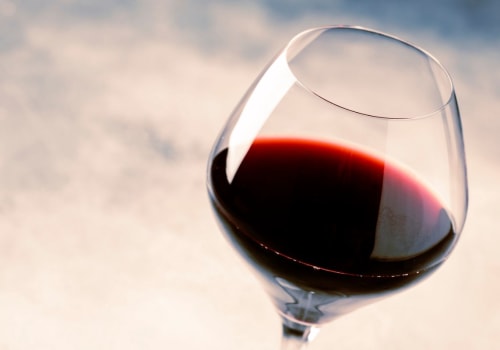
- Savor Each Sip: Take your time with each wine. Swirl it in your glass, take a moment to appreciate its color, inhale its aroma, and then take a sip. Let the flavors linger before moving on to the next wine.
- Spit or Swallow: It’s perfectly acceptable to spit out wine if you’re tasting multiple varieties. Many wineries provide spittoons for this purpose, allowing you to enjoy the experience without overindulging.
- Be Mindful of Portions: Most tastings will offer small pours.
If you’re unsure about how much to drink, don’t hesitate to ask for smaller servings or guidance from the staff.
Unique Experiences at Napa Wineries
While traditional wine tastings are a staple of any visit to Napa Valley, many wineries offer unique experiences that elevate your visit beyond just sampling wines. These experiences can provide deeper insights into the art of winemaking and enhance your appreciation for the region's rich wine culture.Winery Tours: A Behind-the-Scenes Look
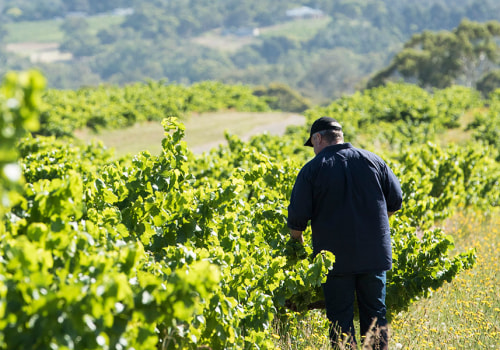
One of the most enriching ways to experience a winery is through guided tours. Many wineries in Napa offer vineyard tours that take you through the picturesque landscapes where grapes are grown. During these tours, knowledgeable guides share insights about the vineyard's history, grape varieties, and sustainable farming practices.You may even have the opportunity to see the winemaking process firsthand, from fermentation to bottling.Some tours include visits to barrel rooms where you can learn about aging processes and how different types of barrels influence the flavor profiles of wines. This immersive experience not only educates you about the technical aspects of winemaking but also allows you to connect with the land and the people behind your favorite wines.
Food and Wine Pairings: A Culinary Adventure
Another fantastic way to enhance your winery visit is by participating in food and wine pairings. Many Napa wineries have on-site restaurants or partner with local chefs to create curated tasting menus that complement their wines. These pairings are designed to highlight the flavors of both the food and the wine, showcasing how they can enhance each other.- Seasonal Menus: Many wineries change their pairing menus seasonally, using fresh, local ingredients that reflect the time of year.
- Expert Guidance: Wine educators or sommeliers often lead these experiences, providing insights into why certain flavors work well together.
- Interactive Elements: Some pairings may include interactive cooking demonstrations or opportunities to create your own pairings with guidance from experts.
Immersive Experiences: Stay a While
If you're looking for a truly immersive experience, consider booking an overnight stay at a winery's guesthouse or bed and breakfast.This option allows you to fully engage with the winery's culture and surroundings. Imagine waking up surrounded by vineyards, enjoying a leisurely breakfast paired with their wines, and having the entire day to explore their offerings.Many wineries also host special events such as harvest festivals, wine blending workshops, or even yoga sessions in the vineyards. These activities provide unique opportunities to connect with fellow wine lovers and deepen your understanding of Napa's vibrant wine community.In conclusion, Napa Valley wineries offer much more than just tastings. From vineyard tours that unveil the secrets of winemaking to exquisite food pairings that tantalize your taste buds, there are countless ways to enrich your visit.
Consider extending your stay for an immersive experience that will leave you with lasting memories and a deeper appreciation for this iconic wine region.
Frequently Asked Questions About Visiting Napa Wineries
When planning a visit to Napa Valley, you may have several questions about the wineries and what to expect. Here are some frequently asked questions that can help you prepare for your trip.1.Do I need a reservation to visit a winery in Napa?
While some wineries in Napa Valley do accept walk-ins, many require reservations to ensure a personalized experience. It’s advisable to check the winery’s website or call ahead to confirm their policy. Making a reservation not only guarantees your spot but also allows the staff to prepare for your visit, enhancing your overall experience.2.What is the best time of year to visit Napa wineries?
The ideal time to visit Napa Valley is during the harvest season , which typically runs from late August through October.This period offers vibrant fall colors and numerous events celebrating the grape harvest. However, spring (March to May) is also beautiful, with blooming vineyards and fewer crowds.
3.Are children allowed in Napa wineries?
Many wineries welcome families and children, but policies vary by location. Some wineries offer activities for kids, while others may have age restrictions during tastings. Always check in advance if you plan to bring children along.4.Can I bring food to the winery?
Most wineries do not allow outside food or beverages on their premises due to health regulations and to maintain the tasting experience.However, many offer food pairings or have picnic areas where you can enjoy food purchased on-site or from nearby restaurants.
5.What should I wear when visiting wineries?
Napa Valley has a casual yet sophisticated atmosphere. Dress comfortably but consider wearing smart-casual attire, especially if you plan on dining at a winery restaurant. Comfortable shoes are essential as you may be walking through vineyards or touring facilities.6.How long should I plan to spend at each winery?
A typical winery visit can last anywhere from 1 to 2 hours, depending on whether you’re participating in a tasting, tour, or both. If you plan on visiting multiple wineries in one day, consider spacing them out and allowing time for travel between locations.By addressing these common questions, you can feel more confident and prepared for your visit to Napa's renowned wineries.Enjoy your exploration of this beautiful wine country!
Conclusion: Making the Most of Your Napa Winery Experience
As you prepare for your journey through Napa Valley, it’s essential to remember that a little planning can go a long way in enhancing your winery experience. The region is renowned for its stunning landscapes, exceptional wines, and rich history, making it a must-visit destination for wine lovers and casual tourists alike. To ensure you make the most of your time at the winery, consider the following key takeaways.- Research and Reservations: Before setting out, take the time to research the wineries you wish to visit. Many of them require reservations, especially during peak seasons.
By booking in advance, you not only secure your spot but also gain access to exclusive tastings and tours that may not be available to walk-in guests.
- Diverse Experiences: Napa Valley offers a variety of experiences beyond traditional wine tastings. Look for wineries that provide vineyard tours, food pairings, or even cooking classes. Engaging in these activities can deepen your appreciation for the wine-making process and enhance your overall experience.
- Respect the Environment: While enjoying your visit, be mindful of the beautiful surroundings. Follow winery guidelines regarding outside food and beverages, and always dispose of waste properly.
This respect not only preserves the environment but also ensures that future visitors can enjoy the same breathtaking views.
- Engage with Staff: The staff at the winery are often passionate about their craft and eager to share their knowledge. Don’t hesitate to ask questions about the wines, the vineyard’s history, or the wine-making process. This interaction can lead to a more enriching experience.
- Plan for Transportation: If you plan on visiting multiple wineries in one day, consider arranging transportation ahead of time. Whether it’s a designated driver, a shuttle service, or a guided tour, having reliable transportation will allow you to relax and fully enjoy each tasting without worrying about driving.
By planning ahead and being mindful of your choices, you can create lasting memories at the winery. Whether you’re savoring a glass of Cabernet Sauvignon while overlooking rolling hills or learning about sustainable practices from knowledgeable staff, each moment spent in Napa is an opportunity to connect with the art of winemaking. So gather your friends or family, map out your itinerary, and get ready for an unforgettable adventure in one of California’s most celebrated wine regions.