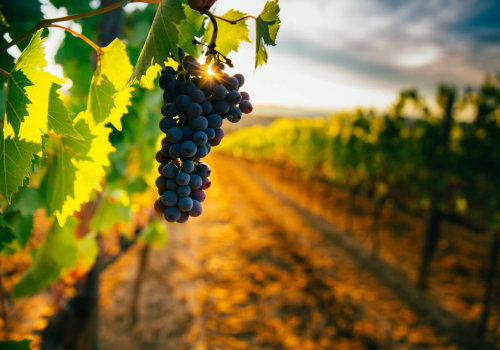
The Napa Valley wine industry has long been synonymous with luxury and quality, but recent years have seen a dramatic shift in the landscape of wine pricing. As the demand for premium wines continues to rise, Napa Valley wine prices have surged, leaving many consumers and industry experts questioning the sustainability and justification of these increases. This phenomenon is not merely a reflection of inflation or production costs; it is a complex interplay of market trends, consumer behavior, and the evolving identity of Napa as a premier wine destination.Historically, a visit to a wine winery in Napa Valley was often an affordable indulgence, with many establishments offering complimentary tastings or minimal fees. However, as the region's reputation has grown, so too have the prices associated with its wines.
Today, it is not uncommon for a single bottle from a Napa winery to command prices that far exceed those from other renowned wine-producing regions. This escalation raises important questions about the value proposition for consumers and whether the quality truly justifies the cost.Moreover, the rise in Napa Valley wine prices coincides with shifting consumer preferences. Younger generations are increasingly drawn to alternative wine regions that offer high-quality products at more accessible price points. As places like Paso Robles and Santa Barbara gain traction in the market, Napa wineries face pressure to maintain their status while navigating a competitive landscape.
This section will delve into the factors driving these price increases and explore how they reflect broader trends within the wine market.
Historical Context of Napa Valley Wines
The history of Napa Valley wines is a rich tapestry woven from the threads of innovation, tradition, and evolving consumer preferences. The region's viticultural journey began in the mid-19th century when European immigrants, particularly those from Italy and France, recognized the potential of Napa's climate and soil for grape cultivation. The first commercial winery, Charles Krug Winery , was established in 1861, marking the beginning of Napa Valley's transformation into a prominent wine-producing area.Throughout the late 1800s, Napa Valley experienced a surge in winery development, with many establishments focusing on varietals that would later become iconic. However, this growth was abruptly halted by the onset of Prohibition in 1920, which forced many wineries to close their doors or pivot to producing non-alcoholic products.It wasn't until the repeal of Prohibition in 1933 that Napa Valley began to recover, slowly rebuilding its reputation as a quality wine region.Fast forward to the 1970s, a pivotal decade for Napa wines. The Judgment of Paris wine tasting in 1976 catapulted Napa Valley into the global spotlight when California wines outperformed French counterparts in a blind tasting. This event not only validated the quality of Napa wines but also set the stage for rising prices as demand surged.As we moved into the 21st century, the evolution of Napa Valley wineries continued to reflect broader trends in consumer behavior and market dynamics. The introduction of modern winemaking techniques and an emphasis on sustainable practices have further enhanced the quality and appeal of Napa wines.
However, this evolution has also contributed to escalating production costs.Historically, wine pricing in Napa Valley has been influenced by various factors including vineyard location, grape variety, and production methods. In recent years, as demand has outstripped supply and tourism has flourished, prices have skyrocketed. The average price for a bottle of Napa wine has increased significantly compared to other regions, raising questions about sustainability and accessibility for consumers.Understanding this historical context is crucial for grasping the current landscape of Napa Valley wines. As we analyze today’s pricing trends, it becomes evident that they are not merely a reflection of quality but also a culmination of decades of growth, challenges, and changing consumer expectations.
Factors Driving Price Increases in Napa Valley Wines
The surge in wine prices in Napa Valley can be attributed to a confluence of factors that intertwine production costs, market demand, and broader economic influences.Understanding these elements is crucial for consumers who are navigating the increasingly expensive landscape of Napa wines.
Production Costs
One of the primary drivers of rising wine prices is the escalating cost of production. Napa Valley is renowned for its premium wines, but producing high-quality wine requires significant investment. Factors contributing to these costs include:
- Labor Costs: The labor market in California has seen a steady increase in wages, particularly for skilled vineyard workers and winemakers. This rise in labor costs directly impacts the overall expense of producing wine.
- Land Prices: Napa Valley is one of the most sought-after wine regions globally, leading to skyrocketing land prices.
The cost of acquiring and maintaining vineyard land has surged, which is often passed on to consumers.
- Climate Change: Unpredictable weather patterns and climate change have necessitated investments in technology and infrastructure to protect vineyards from adverse conditions, further driving up production costs.
Market Demand
The demand for Napa Valley wines has remained robust, even as prices have increased. Several factors contribute to this sustained demand:
- Brand Reputation: Napa Valley wines are often perceived as luxury items, with a strong brand identity that attracts consumers willing to pay a premium.
- Wine Tourism: The influx of tourists seeking winery experiences has bolstered demand. Many visitors are eager to purchase wines directly from the source, often at higher prices than retail.
- Global Market Trends: As international markets become more competitive, Napa wines are increasingly viewed as prestigious, leading to higher demand from collectors and connoisseurs worldwide.
Economic Influences
The broader economic landscape also plays a significant role in wine pricing. Factors such as inflation, changes in consumer spending habits, and shifts in disposable income can all affect how much consumers are willing to pay for Napa wines.
For instance:
- Inflation: Rising inflation rates can lead to increased costs across various sectors, including agriculture and transportation, which ultimately affects wine pricing.
- Consumer Trends: As younger generations become more interested in wine, their preferences and purchasing power can shift market dynamics, influencing price points.
The Role of Wine Tourism in Pricing
Wine tourism has become a significant driver of pricing strategies at wineries in Napa Valley, influencing how these establishments position themselves in a competitive market. As the region attracts over a million visitors annually, the experience offered during winery visits plays a crucial role in shaping consumer perceptions and, consequently, pricing.Many wineries have recognized that the visitor experience is not just about tasting wine; it encompasses a holistic journey that includes vineyard tours, educational sessions, and exclusive events. This multifaceted approach allows wineries to justify higher prices by enhancing the perceived value of their offerings.For instance, a winery that provides an immersive tour of its vineyards, coupled with a guided tasting of limited-edition wines, can command premium prices compared to those offering basic tastings.Moreover, the rise of social media has amplified the importance of unique experiences. Wineries are now curating events that are Instagram-worthy, encouraging visitors to share their experiences online. This not only boosts the winery's visibility but also creates a sense of exclusivity and desirability around their products. As a result, wineries can leverage this buzz to implement higher pricing structures.However, this trend raises questions about sustainability and accessibility.
While some consumers are willing to pay a premium for unique experiences, others may feel alienated by rising prices. This disparity can lead to a divide in the market where only affluent consumers can afford to enjoy Napa Valley's offerings. Wineries must navigate this delicate balance between maintaining profitability through tourism-driven pricing and ensuring that their products remain accessible to a broader audience.In conclusion, wine tourism significantly impacts pricing strategies at Napa Valley wineries. By enhancing visitor experiences and leveraging social media for marketing, wineries can justify higher prices.
However, they must also consider the implications of these strategies on consumer accessibility and market sustainability.
Comparative Analysis: Napa Valley vs. Other Wine Regions
The wine market is a complex landscape, and understanding how Napa Valley compares to other renowned regions is essential for consumers and industry stakeholders alike. While Napa Valley has long been celebrated for its premium wines, the recent surge in prices has prompted many to explore alternatives such as Paso Robles and Santa Barbara.Napa Valley
has established itself as a luxury wine destination, with average bottle prices often exceeding $50. This premium pricing can be attributed to several factors, including limited vineyard space, high production costs, and a strong brand reputation.
However, as the demand for affordable yet high-quality wines grows, consumers are increasingly looking beyond Napa.In contrast, Paso Robles has emerged as a formidable competitor. Known for its diverse climate and soil types, Paso Robles offers a wide range of varietals at more accessible price points. The average bottle price in this region hovers around $25 to $35, making it an attractive option for both casual drinkers and connoisseurs. The region's commitment to sustainable practices and innovative winemaking techniques has further enhanced its appeal.
Santa Barbara
, another notable contender, is gaining traction for its exceptional Pinot Noir and Chardonnay.
With an average bottle price similar to Paso Robles, Santa Barbara wines are often praised for their quality and value. The region's unique microclimates allow for the production of distinct wines that rival those from Napa without the hefty price tag.When comparing these regions, it becomes evident that while Napa Valley wines may offer prestige, the value proposition from Paso Robles and Santa Barbara cannot be overlooked. As consumers become more discerning and budget-conscious, the shift towards these alternative regions is likely to continue.In summary, while Napa Valley remains a key player in the global wine market, the rising prices have opened the door for other regions to shine. Paso Robles and Santa Barbara not only provide competitive pricing but also deliver exceptional quality, making them worthy of consideration for any wine enthusiast.
Consumer Perception and Response to Price Increases
The rising prices of Napa Valley wines have sparked a significant shift in consumer perception and behavior.As the cost of a bottle climbs, many wine enthusiasts are reevaluating their purchasing habits and the value they associate with these premium products.One of the most notable reactions from consumers is a growing skepticism regarding the justification for these price hikes. Many wine drinkers are questioning whether the quality of Napa wines truly warrants such elevated costs. This skepticism is particularly pronounced among younger consumers, who are increasingly drawn to alternative wine regions that offer high-quality options at more accessible prices. As a result, wineries in Napa must not only defend their pricing strategies but also enhance the perceived value of their offerings.Feedback from customers reveals a mixed bag of sentiments.
Some loyal patrons express frustration over the increased prices, feeling that their favorite wineries are becoming less accessible. Others, however, maintain that they are willing to pay a premium for what they perceive as superior quality and unique experiences that Napa wineries provide. This dichotomy highlights the importance of understanding consumer sentiment in order to tailor marketing strategies effectively.To address these concerns, many wineries are focusing on enhancing the overall experience for visitors. This includes offering exclusive tastings, vineyard tours, and educational events that emphasize the craftsmanship behind each bottle.
By creating memorable experiences, wineries aim to reinforce the value proposition of their products and justify higher price points.Moreover, social media has become a powerful tool for consumers to voice their opinions and share their experiences with Napa wines. Online reviews and discussions can significantly influence public perception, making it essential for wineries to engage with their audience actively. By responding to feedback and fostering a sense of community, wineries can build stronger relationships with consumers and mitigate negative perceptions related to pricing.In conclusion, as Napa Valley wines continue to rise in price, understanding consumer perception is crucial for wineries looking to adapt and thrive in this evolving market. By addressing concerns, enhancing experiences, and engaging with customers through various channels, wineries can navigate this challenging landscape while maintaining their reputation for quality.
The Future of Napa Valley Wine Pricing
As we look ahead to the future of Napa Valley wine pricing, several factors will play a crucial role in shaping the market landscape.The current trends indicate that while prices have surged, the sustainability of these increases remains uncertain. Understanding the dynamics at play can help consumers and industry stakeholders make informed decisions.One significant factor influencing future prices is consumer demand. Recent reports suggest a shift in preferences among younger wine drinkers, who are increasingly gravitating towards more affordable options from non-traditional regions. This trend could pressure Napa Valley wineries to reconsider their pricing strategies if they wish to maintain market share.Additionally, the impact of climate change cannot be overlooked.
As weather patterns become more unpredictable, Napa Valley wineries may face challenges in grape production, which could lead to fluctuations in supply. If vineyards experience lower yields due to adverse weather conditions, prices may rise further as wineries attempt to offset production costs.Moreover, the ongoing competition from emerging wine regions such as Paso Robles and Santa Barbara is likely to influence Napa's pricing strategy. These areas are not only producing high-quality wines but are also doing so at more accessible price points. As these regions gain recognition, Napa Valley may need to adjust its pricing to remain competitive.Another aspect to consider is the role of tourism in Napa Valley's economy.
With wine tourism being a significant revenue stream for many wineries, any changes in visitor numbers could directly affect pricing. If tourism continues to thrive, it may justify higher prices; however, a downturn could force wineries to reevaluate their pricing models.In conclusion, while the future of Napa Valley wine pricing appears complex and multifaceted, it is clear that both internal and external factors will shape its trajectory. Wineries must remain agile and responsive to market trends and consumer preferences if they hope to navigate this evolving landscape successfully.
FAQs About Napa Valley Wine Prices and Wineries
As the Napa Valley wine market continues to evolve, many consumers have questions about the rising prices and the overall value of wines from this prestigious region. Below are some frequently asked questions that can help clarify these concerns.What factors contribute to the high prices of Napa Valley wines?
The prices of Napa Valley wines are influenced by several factors:- Land Costs: The cost of land in Napa Valley is among the highest in the world, which significantly impacts production costs.
- Labor Expenses: Skilled labor is essential for vineyard management and winemaking, and labor costs in California are relatively high.
- Limited Production: Many Napa wineries produce small quantities of wine, which can drive up prices due to scarcity.
- Quality and Reputation: Napa Valley has established itself as a premier wine-producing region, and its reputation allows wineries to command higher prices.
Are there affordable options for Napa Valley wines?
Yes, while many Napa wines are priced at a premium, there are still affordable options available.Some lesser-known wineries offer quality wines at more accessible price points. Additionally, exploring lesser-known varietals or blends can yield excellent value without breaking the bank.
How do Napa Valley wine prices compare to other regions?
Napa Valley wines tend to be more expensive than those from other regions such as Paso Robles or Sonoma County. However, it’s important to note that quality varies widely across all wine regions. Consumers should consider factors like taste preferences and specific varietals when comparing prices.What should I expect during a winery visit in Napa Valley?
A typical winery visit in Napa Valley often includes:- Tours: Many wineries offer guided tours of their vineyards and production facilities, providing insight into their winemaking processes.
- Tastings: Visitors usually have the opportunity to taste a selection of wines, often paired with local cheeses or charcuterie.
- Educational Experiences: Some wineries provide educational sessions about wine pairing, tasting techniques, and the history of their vineyards.
It’s advisable to check in advance and make reservations where necessary.
Is it worth investing in Napa Valley wines?
Investing in Napa Valley wines can be worthwhile for collectors and enthusiasts. Many Napa wines appreciate over time due to their quality and limited availability. However, potential investors should conduct thorough research and consider factors such as vintage quality and winery reputation before making significant purchases.Conclusion: Navigating the Changing Landscape of Napa Valley Wines
As we reflect on the evolving landscape of Napa Valley wines, it becomes clear that the recent surge in prices is a multifaceted issue that warrants careful consideration. The Napa Valley, once synonymous with affordable luxury, is now grappling with a reality where the cost of a bottle can rival that of fine wines from established European regions.This shift raises important questions about the sustainability of such pricing strategies and their long-term impact on consumer behavior.Throughout this discussion, we have explored several key factors contributing to the price increases in Napa Valley wines:
- Market Demand: The growing interest in premium wines has led to increased demand, but this demand is not without its challenges. As younger consumers gravitate towards more affordable options from emerging wine regions, Napa's high prices may alienate a significant segment of potential buyers.
- Production Costs: Rising costs associated with vineyard management, labor, and land acquisition have inevitably influenced pricing. Many wineries are forced to pass these expenses onto consumers, further inflating prices.
- Wine Tourism Dynamics: The influx of tourists seeking unique experiences has transformed Napa into a premium destination. While this has bolstered local economies, it has also contributed to a culture where tasting fees and wine prices are increasingly steep.
- Quality vs.
Price Perception:
The perception that higher prices equate to superior quality is prevalent among consumers. However, as we have seen, this is not always the case, especially when high-quality wines are being produced in other regions at more accessible price points.
The future of Napa Valley wines may depend on how well it can reconcile its rich heritage with the demands of an evolving marketplace.